For years, corporate events focused mainly on logistics: packed auditoriums, endless agendas and fairly predictable formats. But the world has changed. And so have events.
Today, brands are no longer simply looking to bring people together in one space. They want to create connection, emotion, community and memorable experiences. In a landscape dominated by technology, artificial intelligence and digital hyperconnectivity, the value of in-person experiences has skyrocketed.
The best events in the world—from Davos and Cannes Lions to SXSW, Web Summit and Art Basel—are setting a new direction for the industry. A far more human, experiential and strategic direction.
These are the 7 trends that are redefining the future of corporate events.
1. From mega-events to boutique experiences
For a long time, it seemed an event's success was measured by the number of attendees. Today, the most innovative companies are betting on the opposite: smaller, exclusive, carefully curated gatherings.
Executives and leaders no longer want to get lost among thousands of people. They want meaningful conversations, quality networking and personalized experiences.
That's why formats like these are on the rise:
- Executive summits
- Private dinners
- Themed gatherings
- Immersive experiences for small groups
At international events like Davos or Cannes Lions, many of the most important connections happen outside the official program: in private villas, on rooftops or at exclusive dinners.
The new luxury is no longer mass access. It's relevance.
2. You don't “attend” an event anymore: you live it
The world's most impactful events no longer work like simple conferences. They work like experiences.
The global trend is clear: storytelling, emotion and interaction are replacing traditional formats.
Today we're seeing:
- Immersive spaces
- Multisensory experiences
- Projection mapping
- Surround sound
- Gamification
- Live performances
- Brand storytelling
Brands like Netflix, Nike and major international festivals have understood something fundamental: people remember what they experience far more than what they hear.
A memorable event isn't measured by the number of talks. It's measured by the emotions it creates.
3. Music becomes a strategic tool
Music is no longer a decorative element at events. It's now an emotional and strategic tool.
More and more brands are using music to:
- Generate energy
- Build identity
- Connect people
- Reinforce the event's storytelling
The best international events bring in DJs, boutique concerts, performances and musical experiences designed specifically for the type of audience and the emotional moment.
Because music has something unique: it can create an instant connection between people who don't know each other.
And at an event, that energy changes everything.
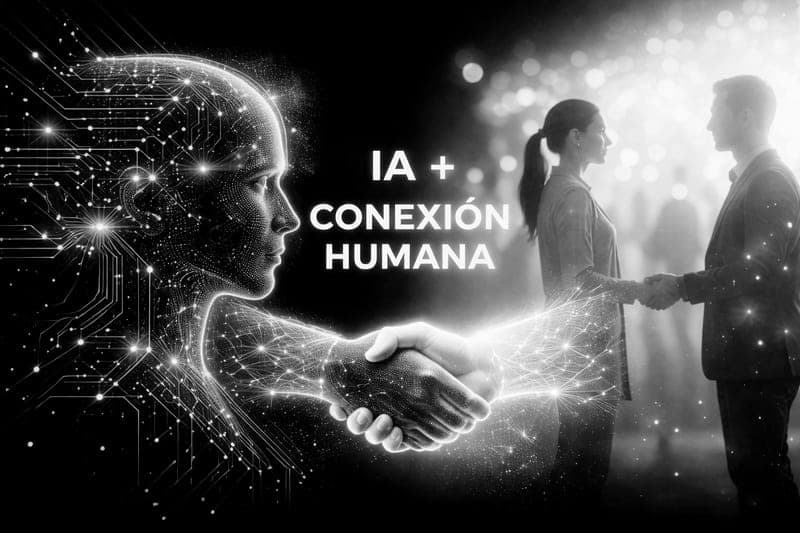
4. Artificial intelligence comes to events… to make them more human
AI is already transforming the events industry:
- Smart agendas
- Personalized networking
- Virtual assistants
- Automation
- Interactive experiences
- Real-time behavior analysis
But, interestingly, the goal isn't to replace the human element.
Quite the opposite: technology is helping remove friction so people can connect better.
The most innovative brands are using AI to personalize experiences and make every attendee feel unique.
Because the more digital the world becomes, the more valuable authentic experiences are.
5. Events are designed with social media in mind
Today an event doesn't last just a few hours. It can live on for weeks—or even months—on social media.
That's why major international events are now designed around the content attendees will create.
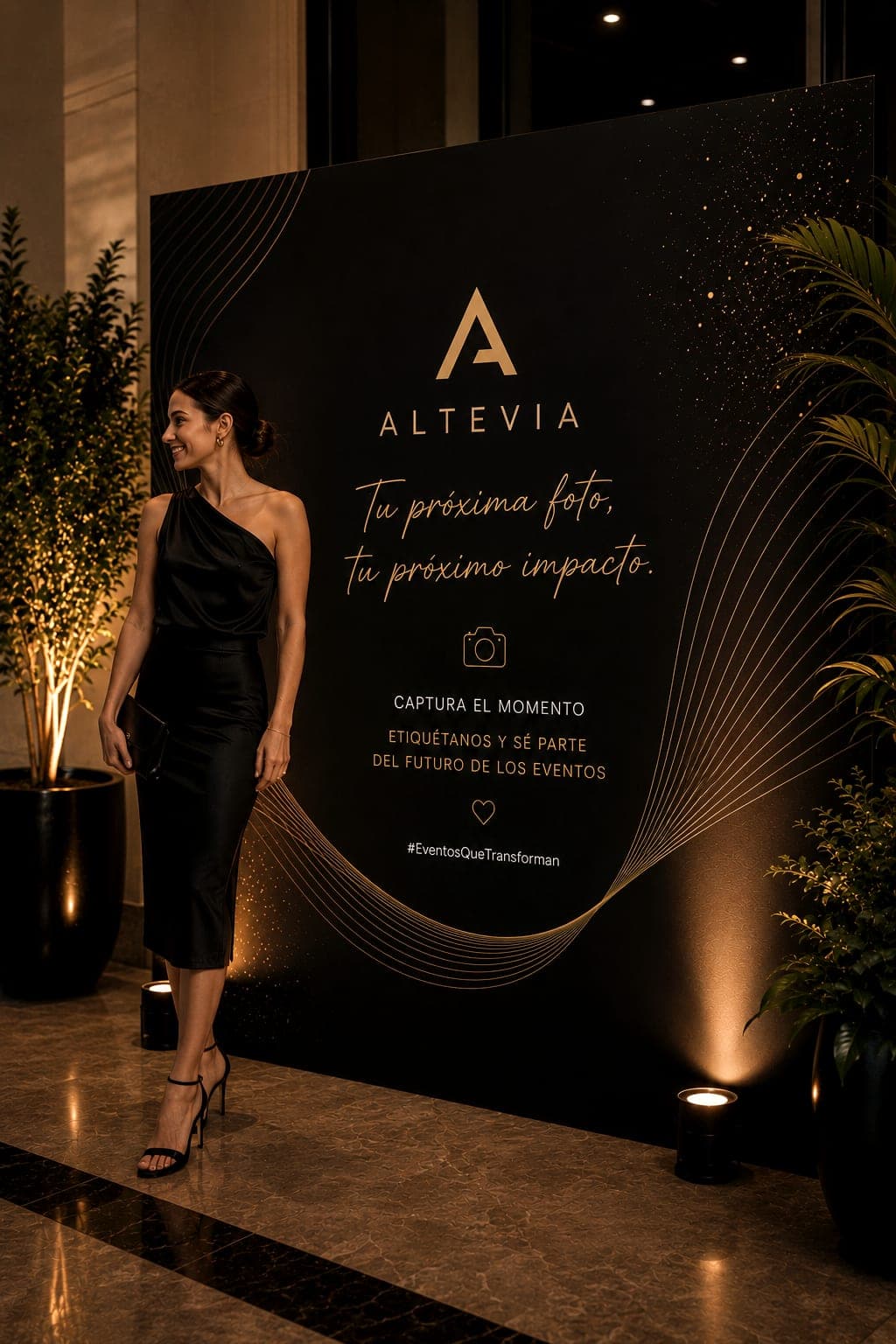
Visual spaces, surprise moments, creative activations and “Instagrammable” corners are part of the event's strategic design.
Festivals like Coachella and luxury brand experiences understand perfectly that a successful event is also an event that gets shared.
Every photo, every video and every post becomes an extension of the brand.
6. Attendee well-being becomes a priority
Another major global trend is well-being.
For years, many corporate events were associated with exhausting agendas and never-ending days. Today, the most innovative companies understand that attendee energy is key to the experience.
That's why we're seeing more and more:
- Wellness spaces
- Mindfulness
- Outdoor experiences
- Mindful eating
- Calm zones
- Human, emotional activities
The most valuable networking doesn't happen when people are exhausted. It happens when they feel good.
7. Purpose-driven events are the ones that connect most
The most powerful trend of all is probably this one: purpose.
New generations and the most innovative companies are looking for experiences that create impact and meaning.
Events are no longer just a communication or networking tool. They're a platform for conveying values, building community and creating positive impact.
That's why events focused on these areas are growing:
- Sustainability
- Inclusion
- Health
- Social innovation
- Culture
- Human transformation
Attendees want to feel part of something bigger.
And the brands that manage to create that emotional connection are the ones people truly remember.